Buying a business in Estonia, Latvia or Lithuania: a step-by-step guide
From the first anonymous teaser to the first hundred days as owner — how an acquisition of a small or mid-sized Baltic company actually runs, and where buyers go wrong.

Buying an established business is one of the least glamorous and most reliable ways to become an owner. The customers exist, the staff know their jobs and the cash flow has a history. It is also a process with a dozen places to go wrong, most of them avoidable. This guide walks through how an acquisition of a small or mid-sized company typically runs in Estonia, Latvia and Lithuania, from the first search to the day the keys change hands.
Decide what you are actually buying
Before looking at a single listing, be clear about three things.
Sector and size. A business you understand is worth more to you than one you do not, because you can judge its risks and improve it. Set a size range you can finance comfortably — a rule of thumb is that the purchase price plus working capital plus a contingency for the first year should not stretch you to the limit.
Geography. The three Baltic states are small, closely connected markets, but they are different countries with different languages, tax systems and commercial habits. A company in Tallinn and a company in Vilnius can look identical on paper and require quite different management.
Your role. Will you run the business day to day, or keep the existing management and act as an owner? Many owner-managed Baltic companies have no second layer of management, so if you plan to be hands-off you need to budget for hiring one.
Where deals come from
Businesses for sale reach the market in three ways: through a marketplace or broker, through advisers (accountants and lawyers who know a client is thinking of selling), and through direct approaches to owners who have not yet decided. A marketplace gives you breadth and a structured process; an adviser network gives you early sight of deals; a direct approach gives you no competition but a long courtship. Serious buyers usually run all three in parallel.
When you find a listing that fits, expect the first information to be a teaser — sector, location, size band and headline financials with no company name. Confidentiality matters enormously to sellers: a rumour that a business is for sale can cost it staff, customers and negotiating leverage. You will be asked to sign a non-disclosure agreement before you learn who the company is, and you should expect the seller or their intermediary to check who you are before releasing anything.
First look: the information memorandum
Once you are under NDA you will receive a fuller description — often called an information memorandum — with the company's name, history, management, customers, financial statements and the reason for sale. Read it critically. The document is written to sell. Questions to answer for yourself at this stage:
- Why is the owner selling, and does the stated reason match the numbers?
- How dependent is the business on the owner personally, and on any single customer or supplier?
- Are the last three years' accounts consistent with what the public registry shows?
- What would you change in the first year, and what would that cost?
If the answers are encouraging, ask for a meeting with the owner. Most of what you need to know about a small business you learn from an hour with the person who built it.
Making an offer
An offer for a private company is usually made as a letter of intent or heads of terms: a non-binding document setting out price, structure (share purchase or asset purchase), what is included, the timetable, and an exclusivity period during which the seller agrees not to talk to other buyers. Everything in it will be negotiated later in the binding contract, but it sets the frame.
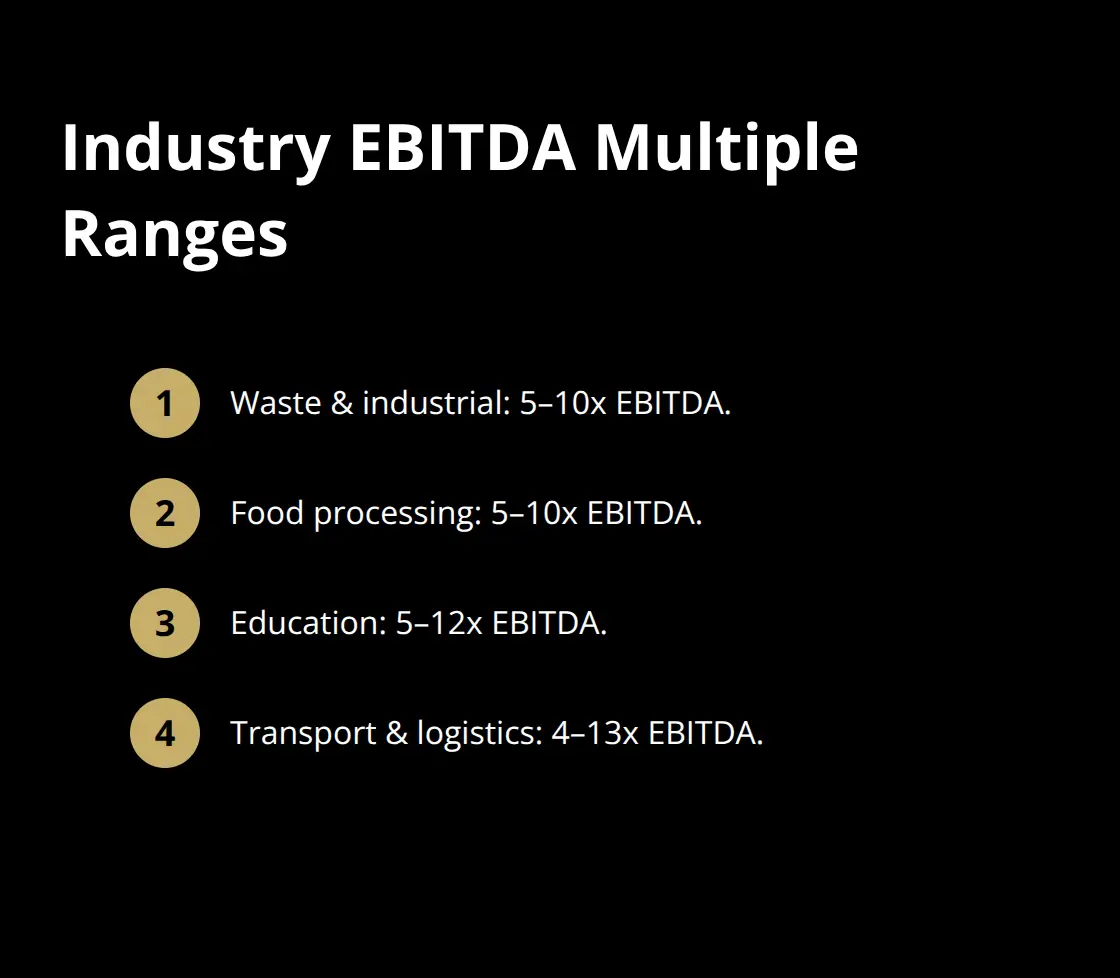
Price is usually expressed as a multiple of normalised profit, adjusted for debt and working capital — see our guide to how Baltic SMEs are valued. Structure matters as much as price. Deferred payments, earn-outs tied to future performance, and the seller staying on for a handover period are all standard tools for bridging a gap between what you will pay and what they will accept.
Due diligence
Exclusivity gives you a window — typically a few weeks — to verify what you have been told. Due diligence is where a buyer's money is best spent. The work usually falls into four strands:
Financial. Reconciling management accounts to filed statements and bank records; testing the normalisation adjustments the seller has proposed; understanding working-capital cycles; checking for liabilities not on the balance sheet.
Legal. Confirming the shares or assets are owned as claimed; reviewing customer, supplier and employment contracts for change-of-control clauses; checking permits, licences, property leases and any litigation. Baltic registries make ownership and encumbrance checks straightforward, but contracts still have to be read.
Tax. Historic compliance, VAT position, any open audits, and how the deal structure will be taxed for both sides.
Commercial. Talking to the market — carefully, and with the seller's agreement — about the company's reputation, its competitors, and whether the customers will stay.
Diligence almost always finds something. The question is whether it changes the price, the structure, the protections you need in the contract, or your decision to proceed at all.
Financing the purchase
Acquisition finance for small Baltic companies typically combines the buyer's own equity, bank lending secured on the business's assets and cash flow, and seller financing where part of the price is paid over time. Buyers from outside the region should factor in that local banks will want to see local substance and a credible management plan. Start the financing conversation before you make an offer, not after — a seller who has accepted your bid and then waits two months while you find the money is a seller looking for another buyer.
Completion and the first hundred days
The binding share purchase agreement or asset purchase agreement is drafted during and after diligence. It contains the price mechanism, warranties (statements by the seller about the business which, if untrue, give you a claim), indemnities for specific known risks, restrictive covenants stopping the seller from competing, and the terms of any handover period. Completion in the Baltics is usually a notarised or digitally signed process, with share transfers registered quickly through the commercial registry.
What happens next decides whether the deal was a good one. Plan the first hundred days before completion: which people you must retain, which customers you must visit personally, which processes you will leave alone until you understand them. The commonest mistake new owners make is changing too much too soon.
Common mistakes to avoid
- Falling in love with a business before you have seen the numbers.
- Skipping or shortening diligence to keep the seller happy.
- Underestimating working capital and the cost of the first year.
- Assuming the owner's relationships will transfer to you automatically.
- Ignoring a customer concentration or key-person dependency because the price looked good.
If you are ready to start looking, the listings board shows what is currently on the market across all three countries. If you would rather tell us what you are looking for and let us bring opportunities to you, get in touch.
This article is general guidance, not legal, tax or financial advice. Take professional advice on any specific transaction.